
There’s a Role for Everyone in Lifesaving
Joining surf lifesaving is about more than learning skills — it’s about becoming part of a community. Whether you want to patrol, support junior activities, help behind the scenes, build new qualifications, or simply get more involved at our club, there’s a place for you in surf lifesaving.
Every member brings something valuable, and every pathway starts with a first step. No matter your age, experience, or background, joining surf lifesaving is a chance to learn, contribute, and be part of something that makes a real difference on our beaches.
Learn more about how you can be involved below!
On the Beach Roles
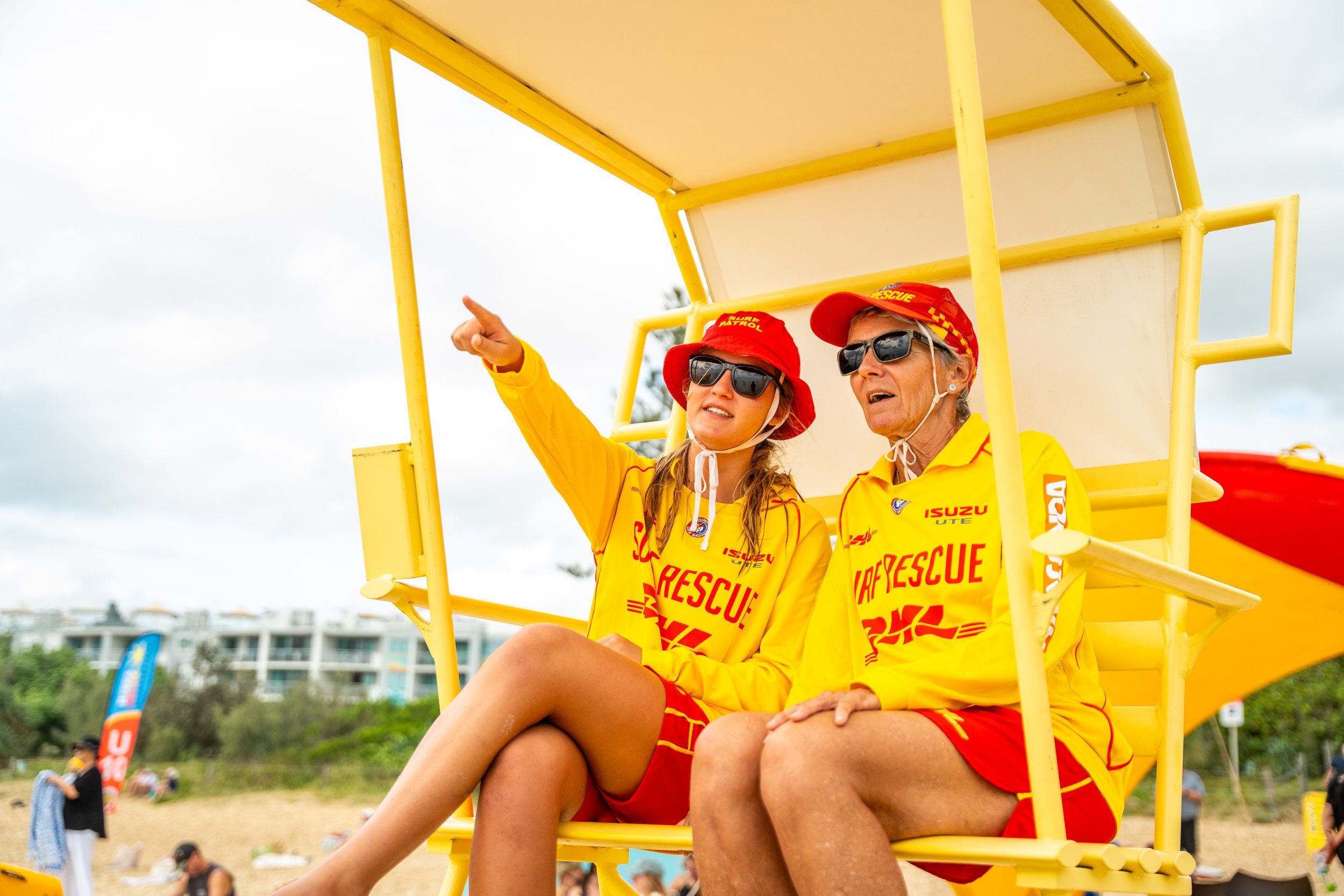
Observer
An Observer is often the first step in a person’s lifesaving journey.
The Observer course gives new members the foundation knowledge needed to start wearing the red and yellow and supporting safe beach operations. It introduces the basics of how surf life saving works, what is expected on patrol, and the important role every member plays in keeping beaches safe.
First Aid & CPR
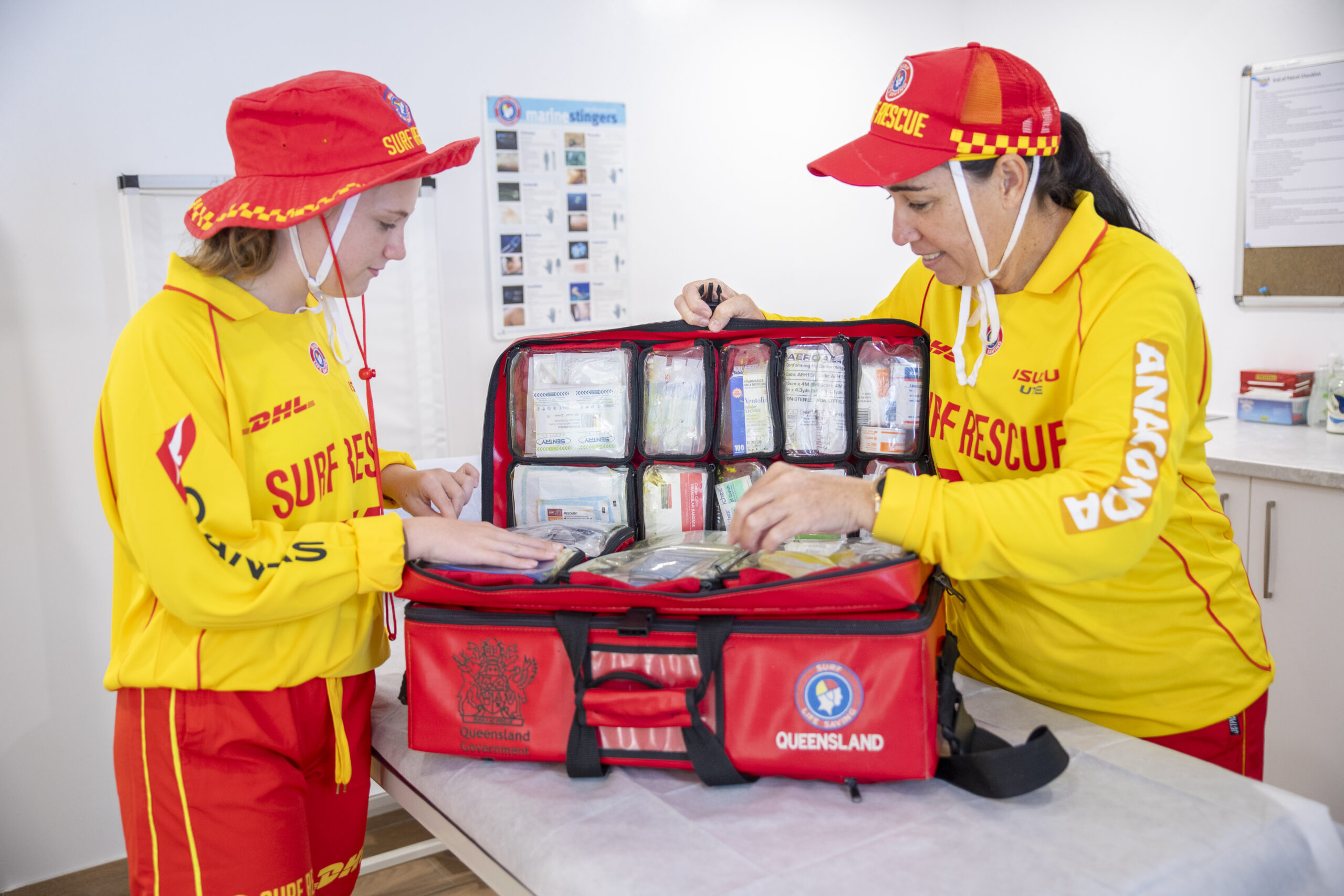
First Aid and CPR are essential lifesaving skills that help members respond quickly and confidently when someone needs urgent care.
These courses give members the practical knowledge to recognise an emergency, provide immediate support, and help keep a patient safe until further assistance arrives.
Radio Operator
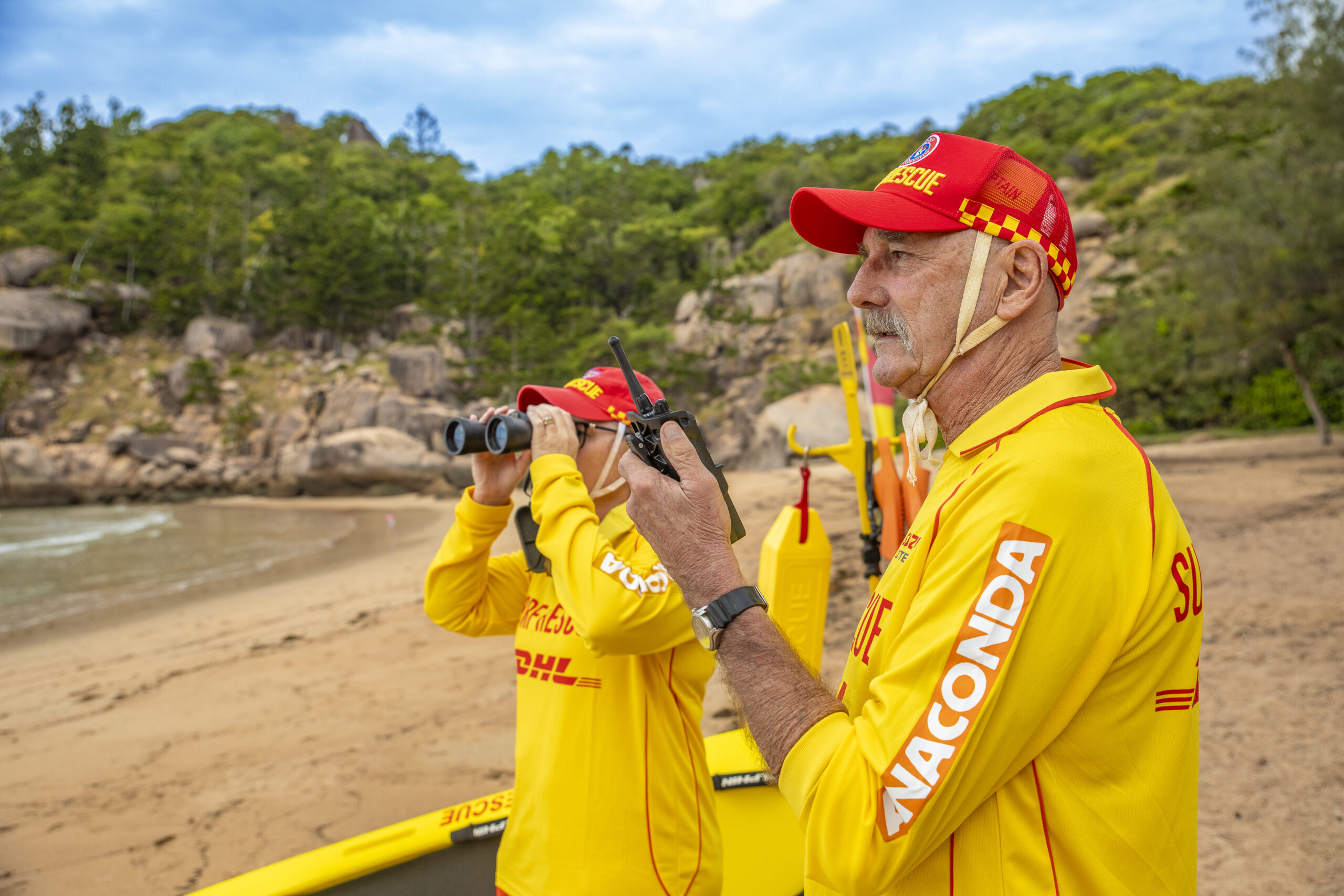
Radio Operations is a key support role in surf lifesaving and an important part of keeping patrols connected, informed, and safe.
Members trained in radio operations help manage communication between patrol teams, support services, and emergency responders. They play a vital role in making sure the right information gets to the right people at the right time — especially during incidents, changing beach conditions, or busy patrol periods.
In the Water Roles
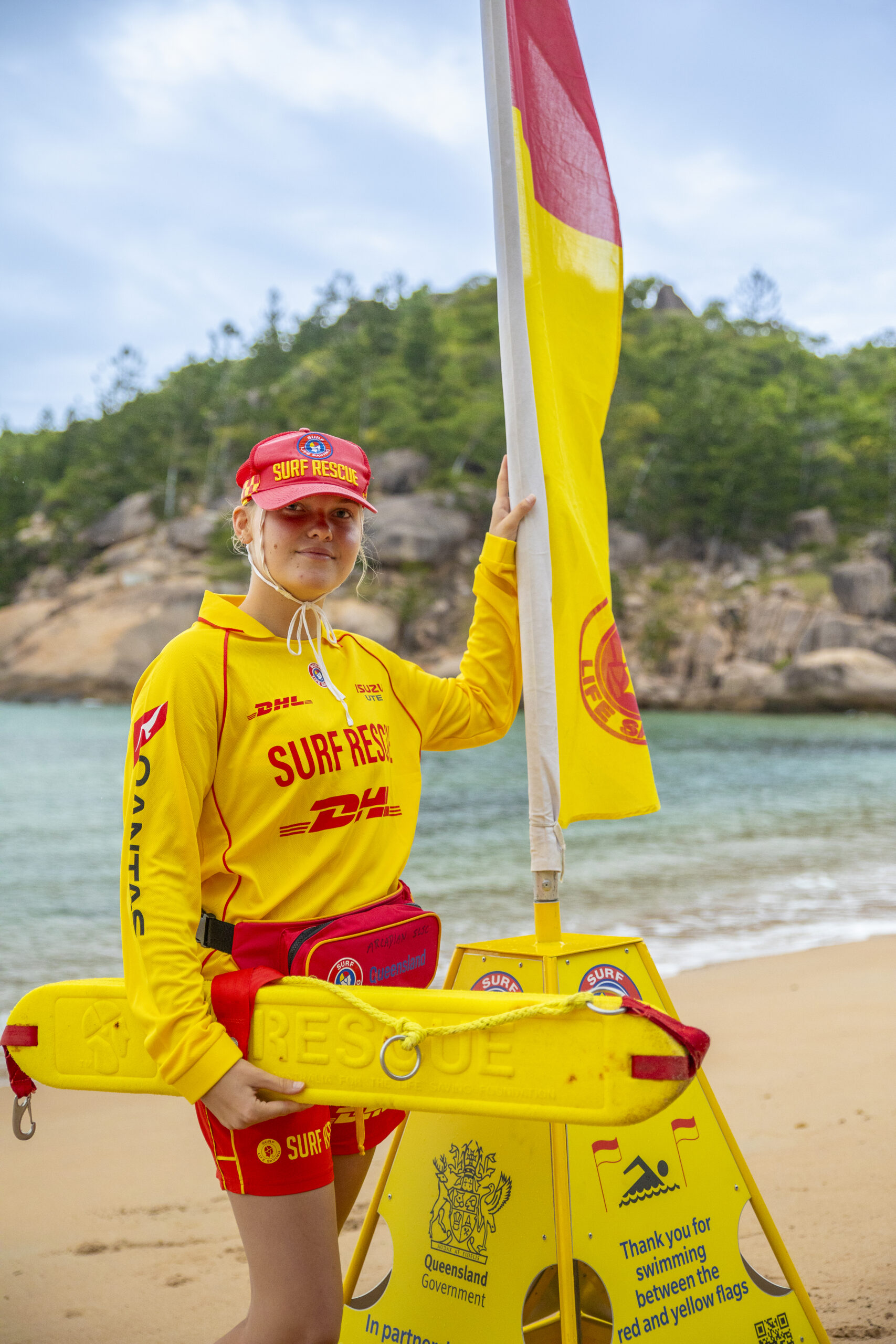
Surf Rescue Certificate
Bronze Medallion
The Bronze Medallion is the core award of surf lifesaving and a major milestone in becoming a qualified lifesaver.
It provides members with the skills, knowledge, and confidence to patrol our beaches, respond to incidents, and work as part of a lifesaving team in the surf environment. For many members, the Bronze Medallion is where their active patrol journey truly begins.
Through Bronze Medallion training, members learn how to:
-
Assess surf conditions and identify hazards
-
Carry out rescues in the water and on the beach
-
Use key rescue equipment safely and effectively
-
Respond to emergency situations as part of a patrol team
-
Provide basic patient care and support resuscitation efforts
-
Communicate clearly and work effectively under pressure
The Bronze Medallion is a practical, hands-on award that builds strong rescue skills, teamwork, and decision-making in real beach conditions.
It is also a gateway to many other lifesaving pathways, including advanced patrol roles, rescue craft, first aid, leadership opportunities, and specialist awards.
Completing your Bronze Medallion is a proud achievement. It means you are ready to wear the red and yellow as an active lifesaver and play a direct role in protecting your community on the beach.
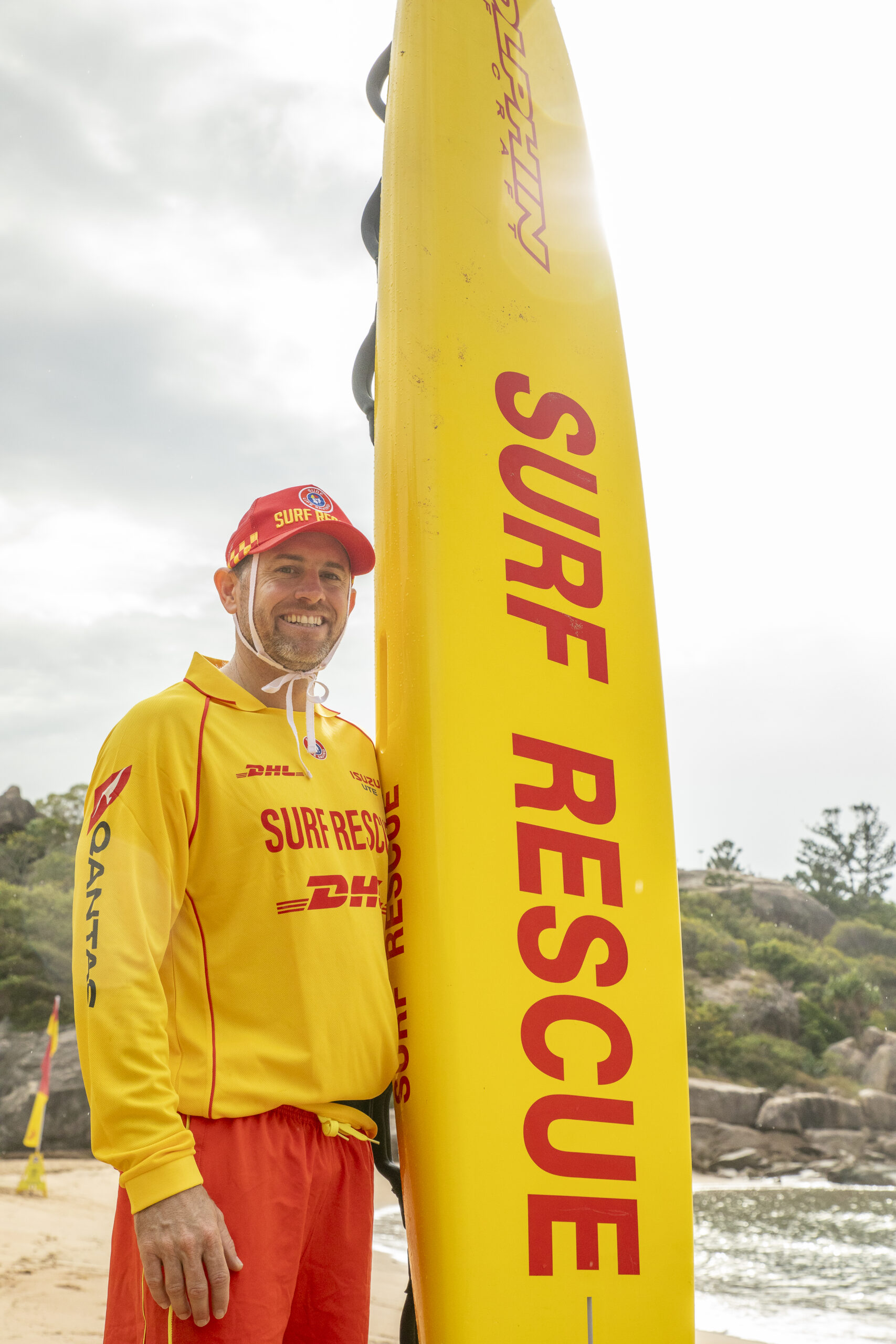
Back of Beach Support
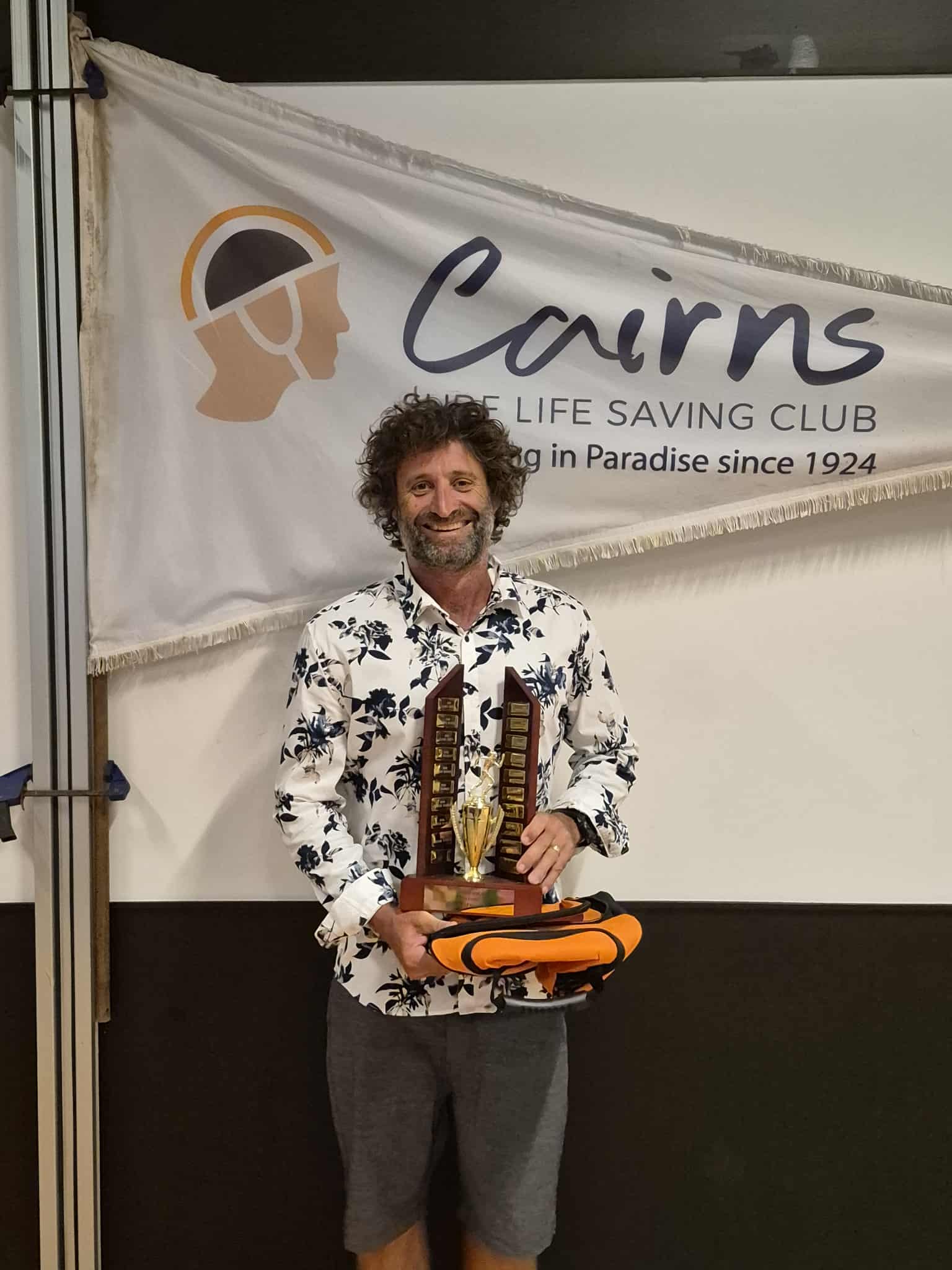
General Support
Frequently Asked Questions
What training do I have to understake?
Volunteers are required to undergo some basic training to familiarise themselves with the Club’s operations, safety protocols, and their specific responsibilities. Not all training is physical and requires you to get in the water!
Training can include first aid, aquatic rescue, and child protection and much more!
I can't swim - can I be involved?
Being a lifesaver isn’t just about saving lives in the water, it’s about helping when are where you can.
We have several land based roles such as being an Observer, First Aid Officer OR Radio Operator.
We want everyone to be a lifesaver, in OR out of the water.
What is a Blue Card and why do I need it?
A Blue Card is a background check and screening process required for individuals working with children or young people in certain roles, and is needed for everyone volunteering with a Surf Lifesaving Club.
What time commitment do I need to give?
The time commitment for volunteering can vary depending on your role and how much you’d like to be involved!
This could range from a few hours a week to five hours a month! Whatever time you can give, we will work with your availability.